

Everyone wants that gorgeous living room or space in their home that looks like the magazines. Perfect colors, patterns, and accessories. But this can quickly become expensive and time-consuming.
At the Reflective Designer, we want you to achieve that magazine worthy look without breaking your budget. We're going to give you several lessons and tips to help you pull it off flawlessly.
Use a Space Planning Tool
Paint Smaller Rooms in Softer Colors
Hang Interesting Lighting Fixtures
Create Contrast with White Woodwork
Switch Your Flooring to Sleek Hardwood
Bring in the Green Spaces
Choose Colors that Pop
If you'd like more design tips or lessons to brighten up your space, contact us today!
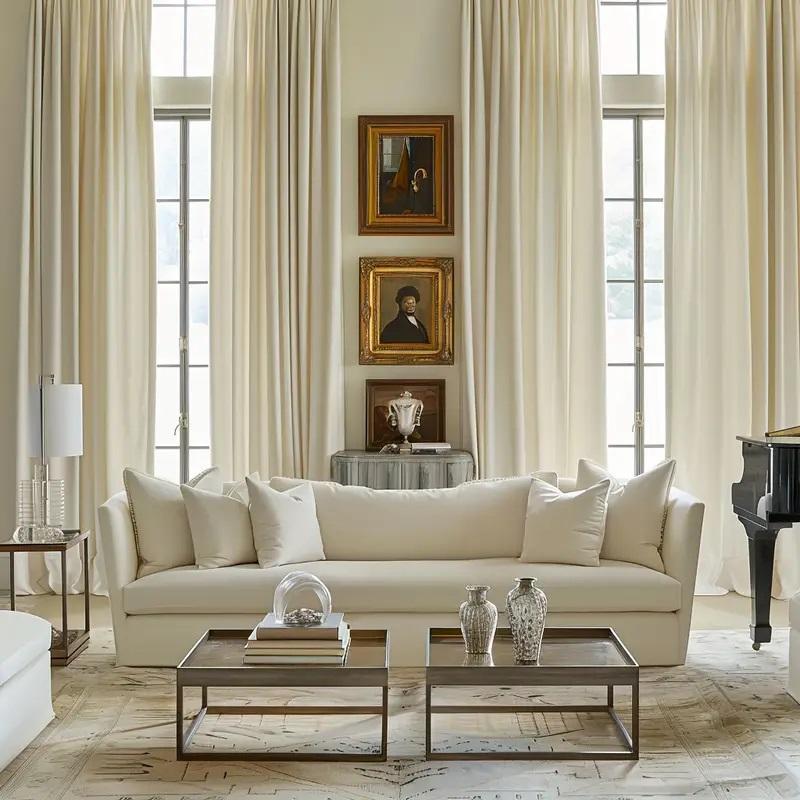
You’ve spent hours online looking at Pins, gotten all the catalogs, and finally placed your order for your new furniture and décor. The big day for delivery arrived and it was a bit anti-climactic. The trumpets didn’t blare and the angels didn’t sing. Your room looked nice enough but just didn’t have that pizazz you thought it would.
Two things at work here:
1) You were the unwitting target of carefully illuminated and photographed interior images. Want to know why a certain home décor company has that certain vibe? It’s not the furniture per se, it’s the consistent north light they photograph under.
2) Here is the primary factor defined; it’s not the furniture, wallpaper, lamps, or rugs that you selected, it’s the relationship of those objects to each other which counts. Please allow me to explain…
All material objects have an energy field. Before you stop reading and think this is a bit “woo-woo”, you definitely have experienced this. If you get uncomfortably close to another person, this is an example. If objects like furniture are not placed properly, your room feels “off”.
Of course objects don’t have energy fields like living beings but they do occupy a certain place in relationship to their environment. In design, we call these principles scale, proportion, and procession. These are abstract concepts and as such, elude most homeowners when it comes to decorating and furnishing their homes. You can’t order them online yet they are an essential component of every successful interior plan. Most of my clients think that if they just purchase the right things that the room will fall into place…and most of the time it doesn’t happen because the basic principles of design have not been at the foundation.
The placement of objects create hidden lines and shapes which you do not see, but your mind’s eye does. Horizontal and vertical lines, triangles, circles begin to emerge once you group objects together. Some of these shapes elicit repose, others create movement, and others create chaos. Did you ever wonder why there is a room in your house which nobody uses? Most likely because one or more of these elements is making it uncomfortable to be in.
Science is art and art is science. We used to think that they were on different ends of the spectrum but not really. If you were to plot your room like a histogram, you would see the areas of high interest and those bearing little. To put it another way, a well decorated room is like a sine wave, it contains rhythm and repetition within a certain desired frequency range.
This is how I approach the design of a room. Yes, the furnishings should be beautiful and please the eye and senses. However, the underlying foundation is what makes it sing. The result is a “wow” experience and is the reason which separates the professional result from the layperson’s.
Furnishing a home is not inexpensive. The last thing you want to do is be stuck with costly items which turn out to be regrets. Your professional designer will not allow for mistakes. They will save you time and worry while working under the direction of your particular tastes. If you engage with a “designer” who has a certain look to their work or uses digital color matching tools, run far away. Many people who have not used design services fear that their designer will take over and provide them with things they do not like. A professional does not do this. To be sure you engage with a pro, look for someone with formal training and a membership in a national design organization. A professional designer will help you make your home “you, but better!”.
